Growing an Urdu-speaking Congregation at St James, Moss Side
Revd Kausar George has played a pivotal role in establishing the Urdu service at St James, which now welcomes a thriving congregation.
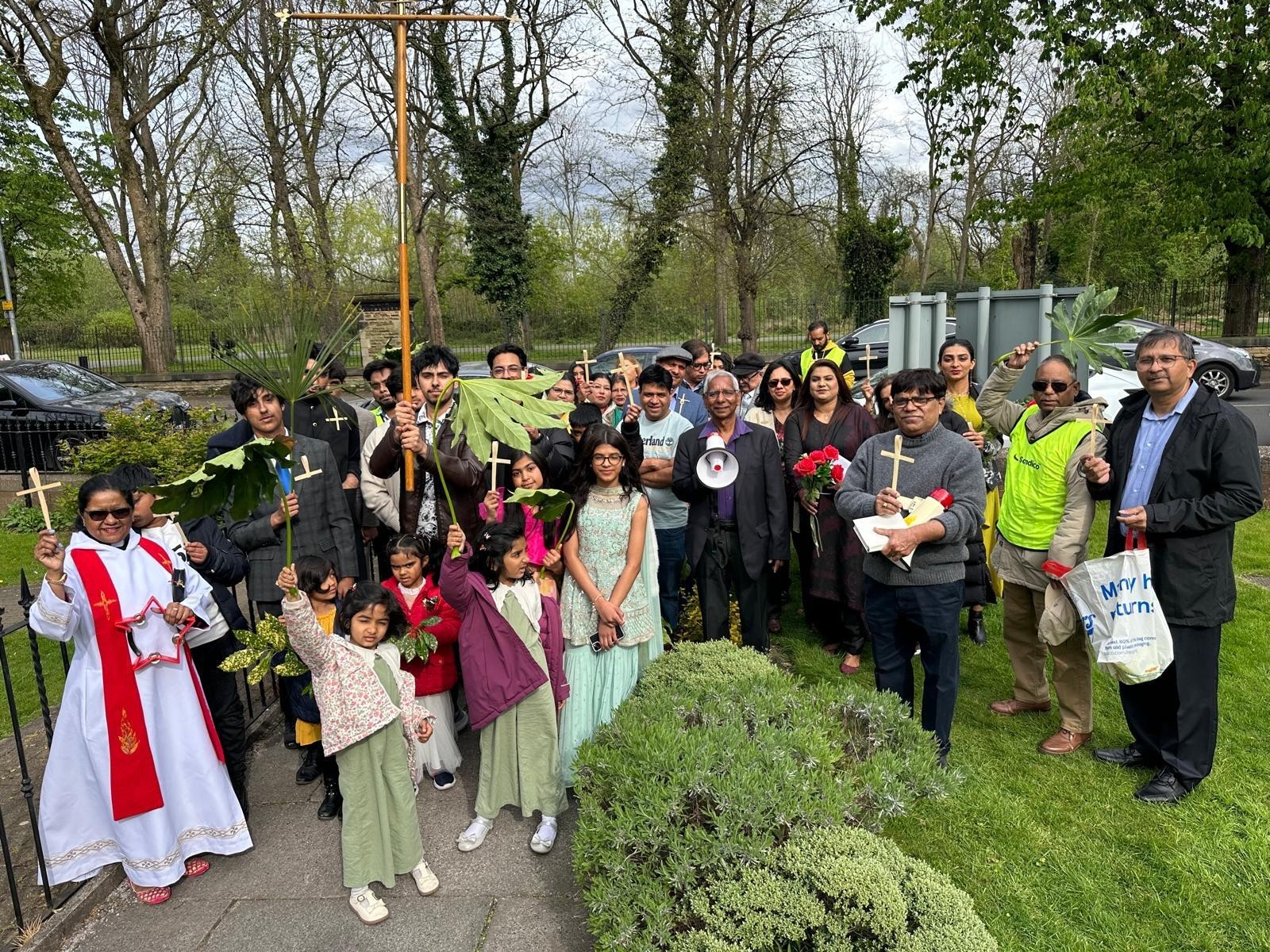
Revd Kausar George is Associate Priest at St James’ and St Edmund’s, serving the diverse urban communities of Moss Side and Whalley Range. The local area is shaped by migration from many parts of the world, with a rich blend of cultures, languages and religious traditions living side by side.
When Kausar arrived in Manchester from Pakistan in 2003, there were no Urdu church services available. She played a pivotal role in establishing the Urdu service at St James, which now welcomes a thriving congregation. While many congregants speak some English, worshipping in Urdu enables people of all ages to be fully involved. “People can speak English but still enjoy worshipping, singing and praying in their native language, especially older generations who better understand Urdu,” explains Kausar.
The Urdu-speaking community have been welcomed and supported by Revd Tom Studman and the English-speaking congregation, and this shared ministry is celebrated in monthly “Together Worship”, held in English, Urdu, Marathi and Punjabi. “Our parish has different cultures and traditions, but everything is grounded in faith”, Kausar says. “When we have the service together, one song will be Marathi, one English, one Punjabi, one Urdu. We also have occasional joint services spoken in Urdu and English; everyone integrates very well with each other and enjoys worshipping together.”
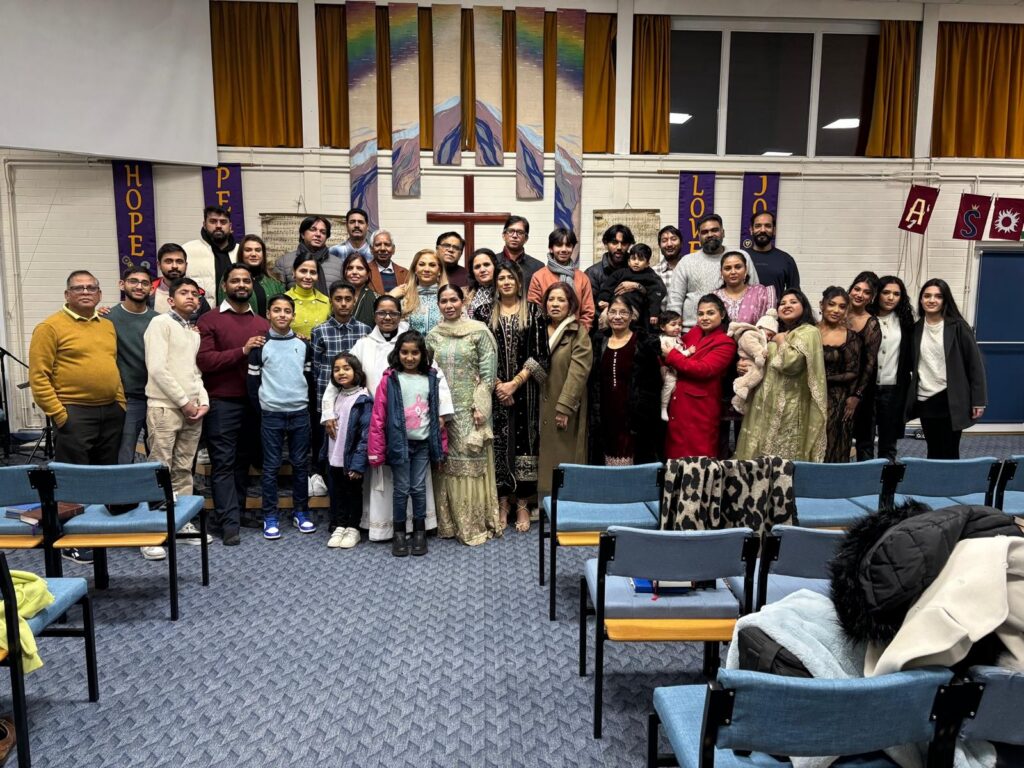
Participation is always encouraged and is central to the life of the parish. During services, the liturgy is clearly explained so everyone can take part, and volunteers from diverse backgrounds read at the front, provide worship music, and serve on the PCC. “We give everyone a chance to participate in Bible reading, intercession prayers, offertory and welcoming. Everyone has equal opportunities in different roles, and people are encouraged to serve in whatever way they feel called.”
The parish continues its intercultural mission in local schools such as St Margaret’s and St Mary’s. During a recent school assembly about the Last Supper, Kausar prepared chapatti in front of the children, who responded by sharing what bread is called in their homes – roti and naan, for example – and talked about their own traditions of hospitality. It was just one of the many moments where faith and multicultural identity come together in Kausar’s ministry.
This ministry is also shaped by pastoral care, something which is very important in Pakistani culture. Kausar recalls how she was once approached by a student newly arrived from India: “She came over to me and asked if I spoke Urdu, and if I could help her set up a bank account. I agreed, and we prayed together outside the bank after setting the account up. She then started attending our church regularly with her husband. In this community, we are all friends, and we all help each other!”
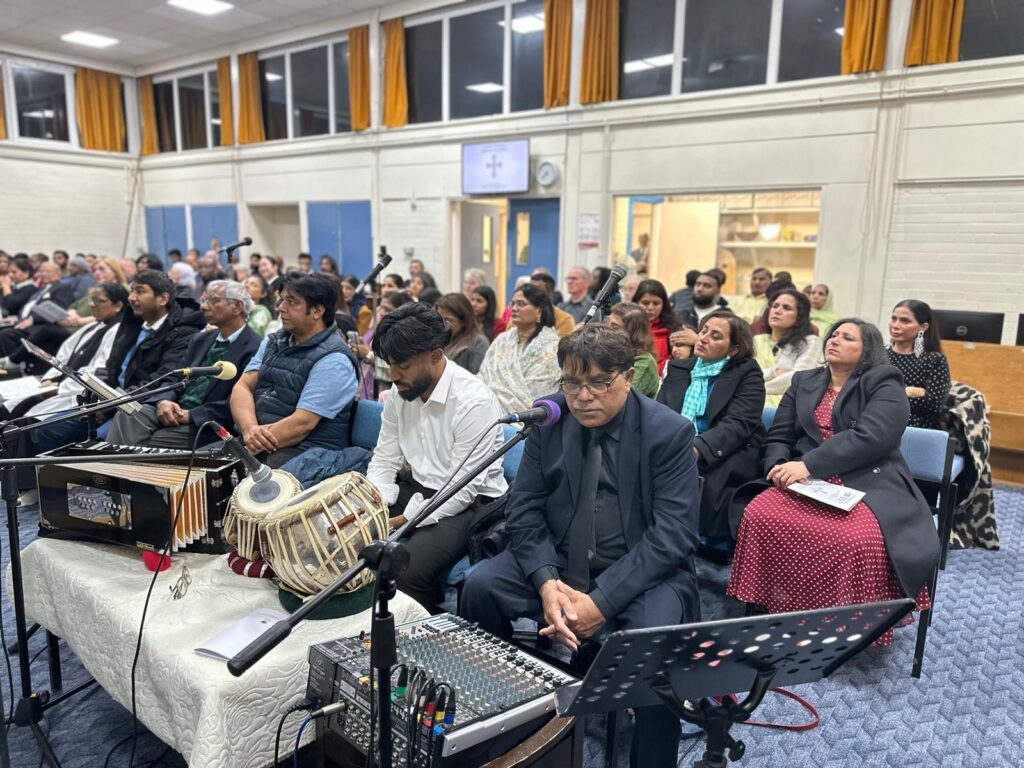
As the demographics of the local community continue to shift, the parish is committed to being more attentive and outward-looking, especially for international students attending nearby universities and those newly arrived in the area. Each Wednesday, St James provides space for professionals to come and offer practical help to anyone of any faith, whether that be with navigating local systems, education, or visas. “We are Christian and this is a minority faith in Whalley Range, but the church understands its mission”, Kausar says. “It’s about faithful witness and relationship building. We are a constant and welcoming presence, offering hospitality and practical support while engaging respectfully with neighbours of other faiths.”
For other churches exploring intercultural ministry, Kausar’s advice is to cultivate cultural awareness, understand your own background and biases, and make a long-term commitment to intercultural ministry. “Learning a few words of another’s language deeply affirms them. Stand with people facing injustice and marginalisation, and celebrate diversity as a gift that reflects God’s creativity. Don’t be afraid to ask for feedback – after every service, with both of my congregations, I always ask for feedback! Most importantly, remember that intercultural ministry is an act of love rooted in Christ, sustained by the Holy Spirit.”